MARKET GUIDE / 2026-10-17 / BY AIVONO EDITORIAL TEAM

How to Compare Disposable Vape Brands for Wholesale

A practical framework for comparing disposable vape brands before a wholesale order: lineup depth, manufacturing transparency, QC, lead time reliability, sampling, and communication.

Why brand comparison matters before the first container

Choosing a disposable vape brand is not a packaging decision - it is a supply-chain decision. Shelf velocity, return rates, and repeat-purchase behavior all trace back to how a brand is manufactured and supported. Wholesale buyers who compare brands against a fixed set of criteria avoid the two most expensive mistakes: locking a deposit with a reseller posing as a factory, and scaling a model whose quality drifts between batches. This guide lays out eight criteria that separate reliable brands from risky ones, with practical questions to ask each supplier.

Criterion 1: Lineup depth and capacity tiers

A brand worth shelf space covers more than one price point. The AIVONO range, for example, spans four capacity tiers: 9k-20k entry models such as the Alibarbar Ingot 9000 and AIM MAGIC 20000, 30k-35k mainstream models like the AIM AIPOD 30000, 50k-80k extended-use models including the AIM FATBEAR 80000, and 120k-150k flagships such as the AIM AVN 150000. Depth matters because it lets one supplier serve convenience retail, mainstream vape shops, and premium anchor positions without juggling multiple vendors - or multiple sets of quality standards.

Criterion 2: Manufacturing transparency

Ask one question first: does the brand manufacture, or resell? Direct manufacturers state their production capacity openly - AISILE, which produces AIVONO, runs 5M+ units per month (2026) and exports to 50+ countries. Resellers hedge on capacity questions because they do not control the answer. Transparency about where and how devices are produced is the single strongest predictor of how a supplier behaves when something goes wrong mid-order.

Criterion 3: Quality control and batch consistency

Disposable vapes fail in predictable ways - leaks, dead cells, inconsistent flavor - and consistent QC is what keeps those failure modes rare. When comparing brands, ask what checks run before shipment: appearance inspection, draw testing, and leak checks at minimum. Then ask whether the same checks apply to every batch, not just the first. A brand that cannot describe its QC process in two sentences is asking you to test its quality control on your customers.

Criterion 4: Lead time reliability

Compare committed dispatch windows, not marketing promises. Direct manufacturers with their own lines can quote specific ranges - AIVONO wholesale orders dispatch in 7-15 days for standard configurations, with custom branding at the upper end of that window. Vague answers like 'it depends' without a range usually mean the supplier is waiting on a third factory. Reliable lead times matter more than a marginally lower unit price once you factor in shelf-out costs during peak season.

Criterion 5: Documentation and compliance support

Regulated categories move on paperwork. A comparable brand should support destination-market requirements: nicotine labeling per local rules, packaging language, and the export documentation your customs broker needs. Raise documentation during the inquiry stage, not after production - brands that push compliance questions to later are adding risk to your timeline. The shipping and compliance guide on this site covers how air and sea freight rules differ for battery products.

Criterion 6: Sampling policy

Sampling reveals how a brand handles the details. Standard models should have existing samples available immediately. Custom-branded orders should go through a pre-production sample you approve before mass production starts. Brands that skip the sample step, or charge-sample without a clear path to production, are signaling how shortcuts will appear later in the process.

Criterion 7: Quotation speed and communication quality

The inquiry stage is a live test of the working relationship. A direct manufacturer can return an accurate quotation within 24 hours given three inputs: target model, estimated quantity, and destination market. Watch for suppliers who need weeks to price a standard model, or who answer specification questions with new questions instead of the specification sheet. Slow, vague communication at inquiry stage rarely improves after the deposit clears.

Scoring the comparison: a simple weighted method

Turn the seven criteria into a decision by weighting them before you compare quotes. A practical starting split for wholesale buyers: quality control and consistency 30 percent, lead time reliability 25 percent, unit economics 20 percent, documentation and compliance support 15 percent, communication 10 percent. Score each brand one to five against the evidence gathered - not against their brochure - and let the arithmetic settle debates that would otherwise default to the smoothest sales pitch.

FAQ: How large should a first wholesale order be?

Large enough to hit meaningful unit pricing, small enough to validate the market before restocking. Many first-time buyers start with the 30k-35k mainstream tier, where shelf demand is broadest, then scale into 50k-80k or flagship models once sell-through data confirms the market. Minimum order quantities vary by model, so confirm the specific figure for the models shortlisted during your inquiry.

FAQ: Which AIVONO tier fits convenience retail versus vape shops?

Convenience retail favors compact, entry-priced formats - the Alibarbar Ingot 9000 and AIM MAGIC 20000 fit small counters and trial purchasing. Vape shops and dedicated retailers can carry the full ladder, anchoring with the AIM AIPOD 30000 family in the mainstream tier and adding the AIM AVN 150000 as a premium option. The AIVONO big-puff model selection guide breaks down each tier by retail scenario.

FAQ: What should I check before paying a deposit?

Verify the factory before the money moves: confirm the manufacturing address and capacity claims, review the specification sheet line by line, and agree the dispatch window in writing. The guide on verifying a vape factory before bulk ordering walks through a seven-step checklist covering exactly this stage.

This article is a commercial product-selection overview for adult buyers, not legal advice. Confirm official local requirements before import, sale, or promotion.
MARKET GUIDE / 2026-10-09 / BY AIVONO EDITORIAL TEAM

AIVONO Big-Puff Vapes: Model Selection Guide 2026

A tier-by-tier guide to the AIVONO lineup - from the Alibarbar Ingot 9000 to the AIM AVN 150000 - with selection guidance for wholesale buyers on which capacity tier fits which retail scenario.

What counts as a big-puff disposable vape

A big-puff disposable vape is a single-use device engineered to deliver thousands of puffs before disposal, typically using a rechargeable battery paired with a large e-liquid reservoir. The category emerged because early disposables capped out at a few hundred puffs; modern units push 9,000 to 150,000 puffs by combining mesh heating with efficient battery management. Puff count has become the primary shelf descriptor buyers use to compare models.

The AIVONO lineup at a glance

The AIVONO range spans four capacity tiers: 9k-20k entry models (Alibarbar Ingot 9000, AIM MAGIC 20000), 30k-35k mainstream models (AIM AIPOD 30000, AIM AIPOD KIT 30000, AIM FLASH 35000), 50k-80k extended-use models (AIM FATMAX 50000, AIM FATBEAR 80000), and 120k-150k high-capacity flagships (AVN MATE 120000, AIM AVN 150000). Design-led lines such as the VAPE STICK 5th and 6th models, the Artist series, and the long-screen leather version sit alongside these capacity tiers. All figures refer to the model names as listed in the AIVONO catalog.

9k-20k tier: entry and trial volume

The Alibarbar Ingot 9000 and AIM MAGIC 20000 suit buyers testing a new market or filling a compact shelf segment. Lower unit cost keeps the entry price accessible, and the smaller form factor appeals to convenience retail. For first-time wholesale buyers, this tier minimizes capital tied up per SKU while the market response is being validated.

30k-35k tier: the mainstream core

AIM AIPOD 30000, AIM AIPOD KIT 30000, and AIM FLASH 35000 form the volume core of the lineup. Devices in this range balance reservoir size, charging convenience, and shelf price, which is why mid-tier models typically anchor most disposable vape assortments. The AIPOD KIT variant adds accessory packaging for markets where a kit presentation sells better.

50k-80k tier: extended-use positioning

AIM FATMAX 50000 and AIM FATBEAR 80000 target buyers who want fewer repurchase cycles per consumer and a clear step-up story on the shelf. The larger reservoirs and battery configurations justify a higher retail price point, making this tier a natural second purchase for consumers who already trust the category.

120k-150k tier: high-capacity flagships

AVN MATE 120000 and AIM AVN 150000 sit at the top of the range. These flagships serve markets where maximum longevity is the deciding purchase factor, and they give retailers a premium anchor product. High-capacity models also reduce per-puff cost for heavy users, a comparison point that increasingly appears in buyer reviews.

How to choose the right tier for your market

Match the tier to your retail scenario: convenience and trial channels usually perform best with 9k-35k models; vape shops and specialty retailers can carry the full range with emphasis on 30k-80k; and markets with strong premium demand support 120k-150k flagships as anchor SKUs. A practical starting assortment covers one model from each tier so shelf pricing can be tested across the range before concentrating volume.

Frequently asked questions

What does puff count actually mean? It is a laboratory-style rating of expected puffs per device; real-world yield varies with draw length and usage habits, so treat it as a comparison metric between models rather than an exact guarantee. Does a higher puff count mean a bigger battery? Generally yes - large-capacity models pair bigger batteries with rechargeability, because the e-liquid reservoir outlasts a single charge. Which tier should a new wholesale buyer start with? Most distributors begin with the 30k-35k mainstream core plus one entry model, then extend up-tier once sell-through data confirms demand.

This article is a commercial product-selection overview for adult buyers, not legal advice. Confirm official local requirements before import, sale, or promotion.
MARKET GUIDE / 2026-10-07 / BY AIVONO EDITORIAL TEAM

RELX Minimalist Design Philosophy Explained

Why RELX's minimalist design philosophy - pure proportions, matte textures, low-saturation Morandi colors and scenario-based portability - redefines the modern portable lifestyle.

Why minimalist design wins modern consumers

In the era of overdesigned consumer products, where most electronic brands pursue exaggerated shapes, flashy colors, and stacked decorative elements to attract consumer attention, true premium design has begun to return to simplicity and essence. Modern urban consumers are increasingly tired of exaggerated industrial aesthetics that feel abrupt, noisy, and incompatible with daily lifestyle scenarios. Instead, they pursue minimalist, low-key, and highly versatile design language that can integrate seamlessly into business occasions, casual daily life, travel scenarios, and social environments. As a global high-end lifestyle brand, RELX has long established a unique minimalist design philosophy that focuses on proportional aesthetics, pure lines, advanced texture, and scenario inclusiveness. Different from ordinary electronic products that rely on visual impact to win momentary attention, RELX’s design logic focuses on long-term visual comfort, daily matching compatibility, and subtle high-level texture, making every device a mature and sophisticated lifestyle accessory rather than a simple electronic tool.

Less is more: removing redundant decoration

The core of RELX minimalist design lies in “less is more”, abandoning useless decorative structures and redundant design elements while retaining the most essential product functionality and aesthetic expression. Many portable devices on the market pursue complex curved surfaces, multi-layer splicing, fancy lights, and gradient color schemes, which look gorgeous at first glance but easily appear tacky after long-term viewing. Excessive structural decoration also increases body weight, pocket obstruction, and daily carrying friction, resulting in poor practicality. RELX completely removes redundant decorative designs, adopts pure geometric proportion control, symmetrical balance layout, and smooth unified lines, presenting a highly restrained and advanced visual effect. Every radian and every line is precisely calculated to ensure that the overall vision is clean, neat, and textured, bringing lasting aesthetic comfort that will never cause visual fatigue.

Less is more: removing redundant decoration

Material texture is the core carrier of RELX's advanced minimalist aesthetics

Minimalist design does not mean low-cost simplicity, but higher requirements for material grade, surface craftsmanship, and tactile fineness. RELX selects high-grade skin-friendly matte materials, aviation-grade structural materials, and high-precision vacuum coating technology, forming a delicate and stable texture that is different from ordinary plastic and metal products. The uniform matte finish effectively resists fingerprints, sweat stains, and daily abrasion, maintaining a clean and new appearance for a long time even after long-term use. Unlike glossy shells that are easy to leave scratches and greasy marks, RELX’s low-saturation texture presents a calm, steady, and high-end temperament, suitable for mature business groups and aesthetic-oriented young users.

Material texture is the core carrier of RELX's advanced minimalist aesthetics

Color system design further interprets RELX's unique high-end minimalist aesthetics

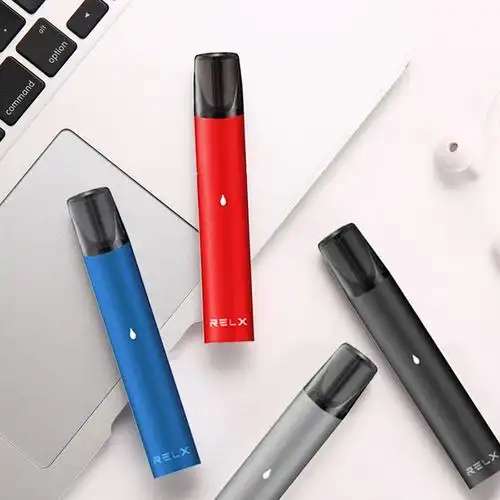
The brand abandons high-saturation, exaggerated, and gaudy color matching that is popular in the industry, and focuses on low-saturation Morandi tones, classic neutral colors, and pure original color systems. Whether it is steady deep black, elegant cloud gray, gentle mist blue, or pure ivory white, all colors are carefully calibrated by professional color grading teams to ensure low-key texture, strong inclusiveness, and high daily matching degree. These minimalist colors will not conflict with business suits, daily casual wear, travel outfits, and various lifestyle scenes, achieving a “no sense of violation” advanced matching effect, which is one of the important reasons why RELX devices are widely recognized in global high-end consumer groups.

Color system design further interprets RELX's unique high-end minimalist aesthetics

Scenario-based minimalist design is another major advantage of RELX's aesthetic system

All product design details are developed based on the integration of urban lifestyle and portable carrying logic. The ultra-slim body proportion, streamlined edge processing, and compact overall volume are designed for daily pocket storage, bag carrying, business travel portability, and one-handed portable operation. Many devices with complex designs are bulky and stiff, easy to squeeze and rub against other items when carried, and even produce uncomfortable foreign body sensation. RELX’s highly integrated minimalist structure maximizes space utilization, reduces redundant volume, realizes lightweight and portable experience, and ensures that the product is invisible and unobtrusive in daily life, truly integrating into life rather than occupying life.

Scenario-based minimalist design is another major advantage of RELX's aesthetic system

The long-term aesthetic value of RELX minimalist design is far beyond short-term visual performance

Most trendy electronic products follow fast fashion aesthetics, which will quickly become outdated with the iteration of fashion trends. However, classic minimalist design has strong cross-time durability and will never be eliminated by trend changes. RELX’s design style focuses on inherent texture and proportional aesthetics rather than fleeting popular elements, so each generation of products has stable classical aesthetic power, suitable for long-term use and collection. This advanced design concept that transcends trend limitations is exactly the difference between international high-end brands and fast-fashion consumer goods.

The long-term aesthetic value of RELX minimalist design is far beyond short-term visual performance

Conclusion: a comprehensive upgrade of aesthetics, practicality and lifestyle adaptation

In conclusion, RELX’s minimalist design philosophy is not simply simplifying appearance, but a comprehensive upgrading of aesthetics, practicability, texture, and lifestyle adaptation. It breaks the industry’s blind pursuit of fancy appearance, returns to the essence of product service life, uses restrained lines, high-grade materials, steady colors, and portable structure to interpret modern urban advanced aesthetics, bringing users a low-key, luxurious, and highly textured portable life experience.

Beyond hardware: design as a lifestyle language

The enduring value of RELX’s minimalist design philosophy lies in its ability to transcend the boundaries of product hardware and evolve into a lifestyle language that resonates with modern global consumers. Many consumer electronics brands treat design merely as a packaging tool to boost sales volume, continuously launching new variants with superficial color and shape upgrades, yet failing to establish a consistent and recognizable brand aesthetic. In contrast, RELX regards design as the core carrier of brand values. Every subtle adjustment of lines, materials and proportions is rooted in deep observation of real user scenarios rather than fleeting marketing trends. For global users who pursue refined and low-key lifestyles, a portable device is far more than an atomization tool. It is a quiet companion that appears in business meetings, casual weekend walks, cross-border trips and private leisure moments. It should not draw unnecessary attention or break the harmony of the surrounding environment, but fit naturally into all these fragmented moments of life. RELX’s restraint in design teaches us that premium craftsmanship is not about showcasing complicated skills or dazzling decorations. Instead, it is about removing all redundant distractions and focusing on the harmony between human hands, objects and daily life. As urban lifestyles keep evolving, the demand for timeless, human-centered design will only keep growing. RELX will continue to stick to this minimalist design path, exploring the balance between industrial manufacturing, tactile experience and aesthetic expression, and bringing more well-crafted portable works to global users who appreciate understated luxury and quiet beauty.

This article is a commercial product-selection overview for adult buyers, not legal advice. Confirm official local requirements before import, sale, or promotion.
MARKET GUIDE / 2026-10-01 / BY AIVONO EDITORIAL TEAM

RELX Human-Centric Design: User-First Vape Comfort

How the RELX human-centric design system minimizes user burden: ergonomics built on anthropometric data, breathing-adaptive airflow, all-scenario adaptability, and intelligent protection for zero-adaptation comfort.

The core principle: minimize user burden in every dimension

The fundamental difference between RELX and ordinary brands lies in its design principle. Traditional portable devices ask users to adapt to machine mechanics: unnatural puff resistance, inconsistent vapor output, lingering odors, awkward holding postures. These small frictions accumulate into fatigue and discomfort. RELX reverses the logic - every structural curve, material texture, airway parameter, weight distribution, and functional response is fine-tuned according to massive real-user data and thousands of scenario simulations, so the device adapts to the human rather than the reverse.

The core principle: minimize user burden in every dimension

Ergonomics built on real human data

The body's proportion, curvature transition, edge radius, and symmetrical balance are designed on anthropometric data collected from global users across age groups and hand types. The lightweight yet solid structure prevents wrist and finger fatigue during extended holding. The premium matte skin-friendly surface carries multi-layer anti-slip, anti-fingerprint, and anti-oxidation treatment - a warm, stable tactile feel instead of the cold, slippery plastic texture of ordinary devices. Every corner is smoothly polished for casual holding, pinch control, one-handed operation, and pocket storage.

Ergonomics built on real human data

Breathing-adaptive airflow that follows human rhythms

Conventional devices use fixed airway resistance and rigid heating logic, producing unnatural puff sensations that conflict with normal breathing patterns - hollow throat feeling, abrupt vapor surges, uneven atomization. RELX's dynamic balanced airway system simulates natural breathing mechanics with linearly smooth resistance, and atomization output rises gently and evenly without sudden bursts. The result is stable, mild, well-layered puffs that greatly reduce oral and throat fatigue during long sessions.

All-scenario adaptability

Modern urban life switches constantly between quiet offices, libraries, business trips, indoor gatherings, and outdoor commuting - each with different demands on noise, vapor density, odor dissipation, and temperature stability. RELX runs rigorous multi-scene environmental simulations: ultra-quiet atomization for silent rooms, fast-fading clean flavor in closed indoor spaces, temperature-adaptive heating, and shock-resistant structural stability outdoors. True all-scenario compatibility, not single-environment performance.

All-scenario adaptability

Intelligent protection and zero-threshold operation

Simplified one-key operation eliminates complicated settings and learning curves. Built-in intelligent chips monitor battery level, operating temperature, and working status in real time, with gentle low-power reminders and automatic protective power cuts. Overheating protection, short-circuit prevention, and over-use safety locks keep operation stable under accidental misuse - subtle design details that remove invisible friction from daily use.

Intelligent protection and zero-threshold operation

Design that improves with the user over time

Most devices are optimized only for the first encounter. RELX's R&D team continuously collects global user feedback and iteratively refines small details - pocket fit, long-term holding balance, breathing smoothness in dry or humid weather, low-battery experience consistency. The device grows more adaptive and harmonious with the user's lifestyle over months and years, a mature user-centered experience that mechanical-oriented products cannot replicate.

Design that improves with the user over time

This article is a commercial product-selection overview for adult buyers, not legal advice. Confirm official local requirements before import, sale, or promotion.
MARKET GUIDE / 2026-09-29 / BY AIVONO EDITORIAL TEAM

Shipping Disposable Vapes: Air and Sea Freight Rules

A practical guide to international vape shipping: why disposable vapes are restricted air cargo, UN 3480 and 3481 lithium battery rules, the documents your factory should provide, destination regulations that shape delivery, and when sea freight is the realistic option.

Why disposable vapes are a restricted cargo category

A disposable vape combines three things that freight carriers treat with caution: a lithium-ion battery, a liquid that usually contains nicotine, and a heating device. Under the IATA Dangerous Goods Regulations, lithium-ion batteries travel as UN 3480 when shipped alone and UN 3481 when contained in or packed with equipment. E-liquid adds its own classification questions depending on nicotine content and destination rules. The result is that disposable vapes are not standard consumer cargo, and the shipping conversation should start before production finishes, not after the goods are packed.

Air freight: what is technically possible

Standalone lithium-ion batteries (UN 3480) are restricted to cargo aircraft only and must be shipped at a reduced state of charge under IATA rules. Devices packed with or containing batteries (UN 3481) follow different provisions depending on section and packing configuration. In practice, the bigger constraint is commercial: many passenger-cargo operators and express integrators decline electronic cigarette shipments as a policy, regardless of what the technical provisions allow. Air freight for disposable vapes therefore exists, but it is quote-dependent, document-heavy, and usually limited to smaller, urgent volumes.

The document checklist to ask your factory for

Before goods ship, a buyer should be able to obtain: a safety data sheet (SDS) for the e-liquid, the UN 38.3 test summary for the lithium cells, a dangerous goods declaration when the configuration requires one, and packing documentation showing how batteries and devices are packed. If a factory hesitates to provide these, that is a signal to slow down. Destination import paperwork - product registration, nicotine approvals, or labeling requirements - sits on top of the transport documents and varies by market.

Destination rules shape delivery as much as transport

Transport compliance only gets a shipment to the border. In the United States, vape shipments fall under the PACT Act framework, which requires carrier registration and adult signature at delivery. In the European Union, the Tobacco Products Directive caps tank capacity and nicotine strength for the products themselves. Markets such as the UK, Malaysia, and the Gulf states each layer their own registration and labeling rules on top. The practical takeaway: confirm the destination requirements in writing before confirming a production order, because they can change what configuration and even what models you should import.

Sea freight is the default for wholesale volumes

Because of the battery and carrier restrictions above, most wholesale vape volumes move by sea freight, either LCL consolidated containers or full containers for large programs. Sea freight removes most of the air-mode restrictions on battery cargo and costs far less per unit at volume, at the price of longer and more variable transit times. The planning consequence is simple: order earlier. A wholesale buyer who would want goods in five weeks by air needs to build the longer sea transit and port handling time into the inventory calendar.

Practical checklist before you confirm the order

First, confirm in writing that your freight forwarder accepts vape cargo for the intended lane - not every forwarder does. Second, request the document list from the factory (SDS, UN 38.3, DG declaration where applicable) and review it before production completes. Third, verify the destination-market rules for nicotine limits, registration, and delivery requirements. Fourth, plan the inventory date around sea transit, not air. Buyers who run this checklist at the order stage avoid the most common failure mode: goods that are produced, paid for, and then stuck because no carrier will take them.

This article is a commercial product-selection overview for adult buyers, not legal advice. Confirm official local requirements before import, sale, or promotion.
MARKET GUIDE / 2026-09-24 / BY AIVONO EDITORIAL TEAM

RELX and Minimalist Decluttering for Urban Life

How RELX applies minimalist decluttering to urban life: a compact low-burden device, clean non-cloying flavours and a zero learning curve that strip redundancy from daily routines.

The clutter problem behind urban exhaustion

Piles of belongings, information overload, tangled desires and cumbersome experiences weigh heavily on routine, making life bloated, impetuous and oppressive. Decluttering is far more than tidying physical possessions; it is an advanced life philosophy. It means discarding useless extras, cutting unnecessary drains and simplifying complicated experiences to lighten one’s load and leave blank space for the soul. In a minimalist and pure state, people can attain relaxed and refined life texture. Aligning closely with modern minimalist living concepts, RELX leverages its versatile, streamlined and low-burden product traits to help urbanites strip trivial redundancies from life, abandon cumbersome and inefficient routines, and unlock a lightweight, clean and sophisticated way of living.

Leisure habits trapped in unnecessary complexity

Traditional relaxation solutions often require assorted accessories, specific settings and complicated operations. Instead of easing weariness, they add trivial burdens and amplify the heaviness of busy daily schedules. People unconsciously accumulate various small gadgets for entertainment and stress relief, filling pockets and bags with scattered items that become another source of mental friction. Rooted in minimalist design philosophy, RELX breaks the shackles of conventional leisure. Its compact, portable form replaces bulky recreational gadgets, adapting to multiple scenarios with a single device and trimming redundant items from everyday carry. Sleek and featherlight, it requires no special storage or complicated procedures. Users can take it anywhere and use it instantly, shedding cumbersome baggage and making relaxation simple, efficient and pure.

Minimalism as the purification of sensory experience

Many products flood users with gimmicks, redundant functions and complicated operations. Seemingly diverse, they create extra burdens on taste, vision, scenario adaptation and mental state. RELX adheres to the principle of “remove redundancy, focus on core, keep experience light”. All flashy and non-essential design elements are eliminated, centering on the fundamental demand for emotional relief. Its flavours avoid heavy and cloying complexity, presenting crisp and mellow profiles that do not fatigue the palate even with prolonged use. Operation is streamlined with zero learning curve. No complicated setup is needed, returning relaxation to its essence and freeing it from artificial complexity. Every design decision prioritises what truly matters for the user, cutting away decorative frills that add no real value to the experience.

Escaping mental friction in daily scenarios

Fast-paced urban life is filled with futile busyness, unnecessary worries and trivial chores. Many relaxation activities demand reserved time and designated environments, turning them into another source of consumption. It is common for city dwellers to plan elaborate leisure sessions only to have them disrupted by sudden work tasks or unexpected errands. RELX is unconstrained by time and location. During commutes, work pauses, home leisure or travel breaks, people can enjoy brief self-rejuvenation anytime. There is no need for advance preparation or extra energy expenditure. It delivers effective emotional relief at minimal time cost and light experiential load. This lightweight leisure approach perfectly embodies the core of minimalist decluttering: abandon tedious rituals and retain pure healing, so life can cast off bloated mental friction and return to serenity.

The meaning of cutting away excess

The ultimate meaning of minimalism is not dull austerity, but the ease and calm gained after cutting away excess. Only by lightening life’s burdens can people preserve inner peace and relaxation amid urban chaos. Minimalism teaches us to distinguish between what we want and what we truly need, letting go of endless pursuit of novelty and flashy stimulation. With minimalist design, pure sensation and effortless portability, RELX puts the advanced philosophy of decluttering into practice. It helps urbanites reduce redundant belongings, complicated routines and emotional burnout, allowing daily life to step away from heaviness and restlessness and embrace a lightweight, clean and sophisticated new lifestyle.

This article is a commercial product-selection overview for adult buyers, not legal advice. Confirm official local requirements before import, sale, or promotion.
MARKET GUIDE / 2026-09-24 / BY AIVONO EDITORIAL TEAM

How to Negotiate MOQ with Vape Manufacturers

A four-step MOQ negotiation playbook for vape wholesale buyers: what a factory MOQ actually covers, mixed-SKU pilot orders, trading concessions instead of asking for discounts, and when customization changes the numbers.

What a factory MOQ actually covers

A minimum order quantity is not an arbitrary gate. On a production line, every flavor changeover costs cleaning time and yield loss, e-liquid blending has batch minimums at the mixing stage, QC requires a statistically meaningful sample from each production batch, and custom packaging has print-plate minimums. When a factory quotes an MOQ of 1,000 units per model, that number usually reflects the smallest batch at which the line runs economically and quality control stays meaningful. Understanding this changes the tone of the negotiation entirely: you are no longer asking for a favor, you are looking for the structure that lets both sides hit their numbers.

Negotiate the mix, not just the minimum

The most common mistake first-time buyers make is arguing about the per-SKU minimum in isolation. Most factories care about total order value and production efficiency, not which models fill the cartons. That opens the door to a mixed-SKU structure: instead of 1,000 units of one model, propose 600 units of a proven flagship plus 400 units split across two entry models. The factory keeps its batch economics, and you spread market risk across price tiers instead of betting everything on one SKU. In our experience this single reframe resolves more MOQ deadlocks than any discount request.

Step 1: Bring your own numbers to the table

Factories give flexibility to buyers who look organized. Before the first negotiation call, prepare three numbers: your 90-day sell-through estimate per market, your landed cost model including freight and duty, and a first-order budget. If you can say that a 3,000-unit mixed order clears customs at a landed cost that leaves you a workable margin and sells through in a quarter, the conversation moves from whether the factory will lower its MOQ to how the order should be structured. The same landed-cost discipline that protects your margins makes your MOQ position credible.

Step 2: Structure a mixed-SKU pilot order

A pilot order should test demand across price tiers, not just confirm that a product exists. A practical structure we see work: one entry disposable with fast sell-through such as the ALIBARBAR INGOT 9000, one mid-range 20K-class model such as the AIM MAGIC 20000, and one high-capacity flagship in the 35K class such as the AIM FLASH 35000 with its large reservoir and Type-C recharge. Three tiers, three price points, one container slot. After one quarter of real sell-through data, your second order can concentrate volume on the tier your market actually wants, and at that point the factory will usually meet you on MOQ for the winning model because the reorder is proven business.

Step 3: Trade concessions instead of asking for discounts

Negotiation stalls when one side only asks. Come with things you can give: a longer but firm lead time, standard packaging on the first run instead of custom print, quarterly volume commitments instead of one-off orders, and clean payment terms such as a 30% deposit with balance against the bill of lading. In exchange, ask for the things that matter to a first-time buyer: mixed SKUs within the MOQ framework, pre-production samples credited against the first order, and clear defect replacement terms in writing. Factories remember buyers who trade fairly, and that history is what unlocks better treatment on reorder negotiations.

Step 4: Know when customization changes the MOQ

Customization is where MOQs quietly multiply. A custom flavor needs a blending batch minimum, logo printing needs print-plate and ink setup, and fully custom boxes need a print run of thousands just to be economical. The practical path for a new brand: start with standard hardware and light customization on the first order, then move to full custom flavors and packaging once the first sell-through data justifies the batch sizes. This sequencing keeps your first order affordable and your second order negotiating position strong.

Red flags and a closing checklist

A few closing checks. Is a zero-MOQ offer ever real? Occasionally, but it usually means a trading company adding margin on top of a factory, or old stock being cleared — verify who actually manufactures the product before committing. Should MOQ terms be in the contract? Yes: units per SKU, mixed-SKU allowances, defect replacement percentages and lead-time commitments belong in writing, not in chat messages. And when should you walk away? When a supplier will not put defect terms in writing or keeps changing the MOQ after your sample approval. If you are still choosing a supplier, our guide to verifying a vape factory before bulk ordering pairs well with this playbook.

This article is a commercial product-selection overview for adult buyers, not legal advice. Confirm official local requirements before import, sale, or promotion.
MARKET GUIDE / 2026-09-21 / BY AIVONO EDITORIAL TEAM

How to Calculate Vape Wholesale Margins

A five-step wholesale margin model for adult B2B vape buyers: landed cost per unit, retail price benchmarks by category, hidden costs, and negotiation levers that protect profit per carton.

The margin formula distributors actually use

Wholesale vape buying lives or dies on landed cost, not the factory quotation. The working formula is simple: gross margin equals retail price minus landed cost per unit, where landed cost combines the ex-factory unit price, ocean or air freight spread across the carton, customs duty and clearance fees, and last-mile delivery to your warehouse. A quotation that looks 10% cheaper can easily lose to a better-organized supplier once these components are added. Professional buyers calculate margin per unit and per carton before negotiating, because knowing your floor price is what makes MOQ and payment negotiations effective.

Step 1: Build the landed cost per unit

Start from the carton specification, which every serious supplier publishes alongside the product. A model packed 200 pieces per 23 kg carton, for example, lets you divide the sea freight quote for that carton by 200 to get freight per unit. Add duty at your destination's rate for the product category, clearance and documentation fees, and inland delivery. As a rule of thumb for sea freight programs, logistics and duty together often add 15-30% on top of the ex-factory unit price depending on destination — small orders shipped by air can far exceed that, which is why pilot orders should still be planned with total landed cost in mind.

Step 2: Benchmark retail price by category

Retail pricing differs sharply by format. Entry disposables in the 9K-20K puff class compete mostly on shelf price and flavor range, so margins per unit are thinner but sell-through is fast. High-capacity flagship models — devices in the 120K and 150K puff class with large e-liquid reservoirs and Type-C recharge — command premium price points because the cost per puff is dramatically lower for the end user, which gives retailers more absolute margin per unit even at similar percentage margins. Pod and device kits sit in between: lower unit price, but cartridge and pod repurchases build recurring revenue that compounds across the customer base.

Step 3: Work the model across three product tiers

Run the calculation on one model per tier before building an order. A practical set for illustration: an entry disposable such as the ALIBARBAR INGOT 9000, a high-capacity model such as the AVN MATE 120K with its 36ml reservoir, and a flagship such as the AIM AVN 150K with 58ml of e-liquid. Take each model's carton quantity, apply your landed cost build-up from step one, then test retail price points against what comparable products sell for in your market. The output is a simple table showing margin per unit, margin per carton, and sell-through expectation per tier — that table, not instinct, is what decides how many cartons of each tier belong in the first order.

Step 4: Price in the hidden costs

Three costs regularly erase projected margins. First, flavor breadth: stocking too many flavors per model spreads sell-through thin and creates dead stock, while a focused flavor list per model keeps cartons moving. Second, product transitions: disposable formats evolve quickly, so model lines can be superseded mid-season; buying slightly smaller quantities more often protects you better than one large discounted order. Third, after-sales replacements: agree the defect rate and replacement terms in writing with the factory before shipment, because unpriced replacements come straight out of margin.

Step 5: Use negotiation levers that protect margin

Price per unit is only one lever. Mixed cartons (combining models or flavors within one carton configuration) reduce the capital tied up in slow variants. Confirming nicotine strength and packaging language at order time avoids relabeling costs later. Freight terms matter too: ex-factory pricing looks cheapest until you price the forwarder, so compare quotations on CIF or DDP terms for your actual lane. Finally, align payment milestones with inspection events — the deposit-and-balance structure tied to completed quality checks protects both margin and quality. For buyers building a first program, combining these levers usually beats chasing the lowest unit quote.

Quick answers on wholesale vape margins

What margin should a vape retailer target? Percentage margins vary by market, but the healthier question is absolute margin per unit and per carton at a realistic sell-through rate. Is a cheaper factory quote always better? No — landed cost, defect replacement terms, and delivery reliability decide the real outcome. Where do most new distributors lose money? Over-wide flavor assortments, oversized first orders of a single model, and air freight on pilot orders that was never priced into the model.

This article is a commercial product-selection overview for adult buyers, not legal advice. Confirm official local requirements before import, sale, or promotion.
MARKET GUIDE / 2026-09-20 / BY AIVONO EDITORIAL TEAM

Verify a Vape Factory Before Bulk Ordering: 7 Steps

A practical seven-step verification checklist for adult B2B buyers: company registration, production capacity, samples, quality control, compliance documents, payment terms, and pilot orders before bulk vape orders.

Step 1: Verify the business entity behind the quotation

Before comparing prices, confirm who you are actually dealing with. Ask for the company's registered business name and check it against an export license or manufacturer declaration. A trading company is not automatically a problem, but it changes who controls production scheduling, quality control, and after-sales replacement. Buyers who verify this early avoid the most common wholesale failure: discovering after a deposit that the quoted factory is a middleman with no visibility into production queues. A legitimate supplier answers this question without hesitation and can usually provide factory photos, a business registration extract, and a video walkthrough on request.

Step 2: Confirm real production capacity, not brochure capacity

Brochures often quote theoretical maximum capacity, such as 5M+ units of monthly output across all production lines. The number that matters for your order is available capacity in your delivery window. Ask three specific questions: how many production lines run your product category, what the current order backlog is, and what the realistic lead time is for your quantity at the time of inquiry. A factory with genuinely strong capacity, for example one serving wholesale programs in 50+ countries, can usually confirm a 7-15 day dispatch window for stock-configured models and will tell you honestly when a custom build needs longer.

Step 3: Evaluate samples against a written checklist

Sampling is where most verification effort should go. Do not evaluate samples casually: build a written checklist covering packaging print quality, flavor consistency across multiple draws, battery behavior on first charge, housing seam tolerances, and whether the received specification matches the quoted puff count and e-liquid volume. Compare at least two units from the same batch. If you are sourcing for a regulated adult market, also check whether the sample labeling matches your destination's requirements, because relabeling later adds cost and delay.

Step 4: Inspect the quality control process, not just the promise

Ask the supplier to describe what happens between the production line and the shipping carton. A credible factory describes incoming material checks, in-line testing during assembly, and finished-goods sampling before packing — and can explain the defect rate it tracks. If the answers are limited to 'we check everything', treat that as a warning sign. For repeat orders, agree on an acceptable defect rate in writing and decide in advance how replacements or credits are handled, because this conversation is far easier before money changes hands.

Step 5: Collect the compliance documents your market requires

Compliance needs differ by destination, so define your own document list before ordering: product test reports, ingredient or e-liquid declarations, battery transport documents such as UN 38.3 test summaries, and packaging and labeling proofs in your market's language. A factory that regularly exports to regulated markets produces these routinely. A supplier that goes quiet when you request them is telling you something important about its export experience, and about the risk your shipment will face at customs.

Step 6: Negotiate payment terms that protect both sides

Standard wholesale terms balance risk between buyer and factory, commonly a deposit with balance against shipping documents. Be cautious with both extremes: full prepayment removes all leverage on quality, while demanding unusually long credit terms signals to the factory that you are not a serious account. Whatever you agree, tie the final payment to a defined event, such as completed quality inspection or copy of the bill of lading, and keep all specifications, quantities, and lead times inside one written document rather than scattered across chat messages.

Step 7: Place a pilot order before the bulk order

The final verification step is a small commercial one: place a pilot order of one to five cartons through the normal production and shipping process, not a hand-carry sample. A pilot order tests everything real orders depend on — production scheduling, batch consistency, export documentation, freight forwarder cooperation, and communication under time pressure. If the pilot arrives on time, matches the sample, and clears customs cleanly, you have verified the whole chain. Then scale confidently, and keep every new model or new market on the same pilot-first path.

Quick answers for wholesale buyers

A worked summary of the seven steps: verify the entity, confirm available capacity with a delivery window, sample against a written checklist, inspect the QC process, collect compliance documents, agree balanced payment terms, and run a pilot order before committing to volume. Buyers who follow this sequence consistently report fewer shipment disputes and faster repeat ordering, because every expectation is written down before production starts.

This article is a commercial product-selection overview for adult buyers, not legal advice. Confirm official local requirements before import, sale, or promotion.
MARKET GUIDE / 2026-09-15 / BY AIVONO EDITORIAL TEAM

Quiet Luxury in Vape Device Design: A Buyer’s Guide

A practical guide for adult B2B buyers evaluating restrained color systems, material finishes, construction details, and long-term visual consistency in vape device ranges.

Quiet luxury is a product-system decision

Quiet luxury favors restraint over immediate visual impact. In a vape device range for adult markets, this can mean a controlled color palette, clear proportions, limited decoration, and a surface finish that supports the product rather than competing with it. For wholesale buyers, the useful question is not whether a model looks expensive in one photograph, but whether its design remains coherent across devices, packaging, retail displays, and future replenishment batches.

Use color and form with discipline

Low-saturation colors, simple contour lines, and consistent placement of screens, controls, and brand marks can create a range that is easier to merchandise. A restrained visual system also reduces dependence on short-lived design trends. Buyers should compare physical samples under different lighting, confirm the approved color reference, and check whether neighboring models can be displayed together without creating a confused or overly busy shelf presentation.

Material claims need physical verification

Surface texture is central to an understated premium impression, but catalogue language alone cannot confirm durability or feel. Review the exact housing material, coating or finishing process, fingerprint visibility, grip, scratch visibility, and color consistency on current samples. Ask sales for confirmed material details rather than repeating broad claims such as aerospace-grade, luxury, or wear-proof unless those descriptions are supported for the exact ordered version.

Construction details shape perceived quality

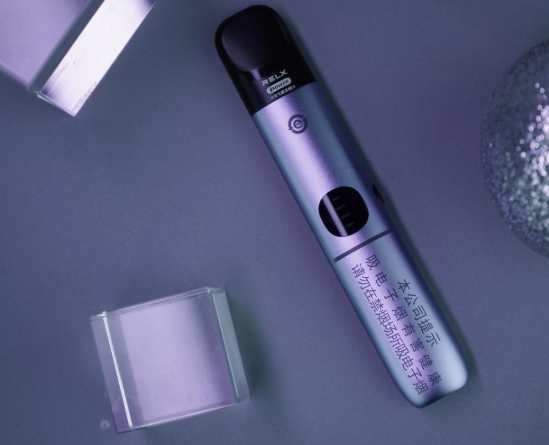
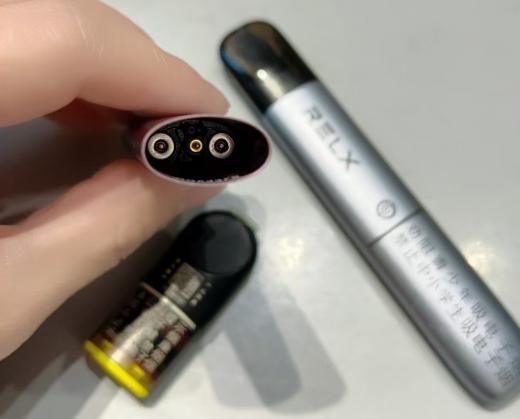
Component alignment, seam consistency, pod fit, magnetic connection, button movement, charging-port placement, and screen integration are small details that strongly influence product presentation. Test several units rather than one display sample and record the approved reference before production. A minimal exterior leaves fewer decorative elements to distract from inconsistent assembly, so tolerances and repeated handling deserve close attention during sample review and pre-shipment inspection.

Restraint should not hide usability

A clean device still needs understandable controls and visible status information where relevant. Adult customers and retail staff should be able to identify charging, airflow, power, battery, and compatible-consumable functions without relying on decorative cues. Evaluate whether the interface remains legible, whether controls can be explained quickly, and whether packaging provides the warnings and operating information required by the destination market.

Build a coherent wholesale assortment

A quiet-luxury range works best when models share a recognizable design logic while serving different commercial roles. Define a compact entry model, a core device, and a feature-led flagship, then limit the opening color allocation to options that support the same presentation. Track sales by model and finish, note which options attract repeat demand, and expand only after confirming supply continuity and batch-to-batch consistency.

Keep premium positioning factual and compliant

Premium styling does not make a nicotine product harmless, therapeutic, or appropriate for non-users. Product pages and retail materials should use verified specifications, original images, adult-only language, and required warnings. Before import or promotion, confirm local rules for nicotine, product registration, packaging, online sales, advertising, batteries, and disposal. This article discusses design and merchandising for lawful adult markets and is not legal or health advice.

This article is a commercial product-selection overview for adult buyers, not legal advice. Confirm official local requirements before import, sale, or promotion.