AIVONO / 2026-10-26
AIM AIPOD 30000 vs AIM AVN 150K: Wholesale Guide
AIVONO Editorial Team
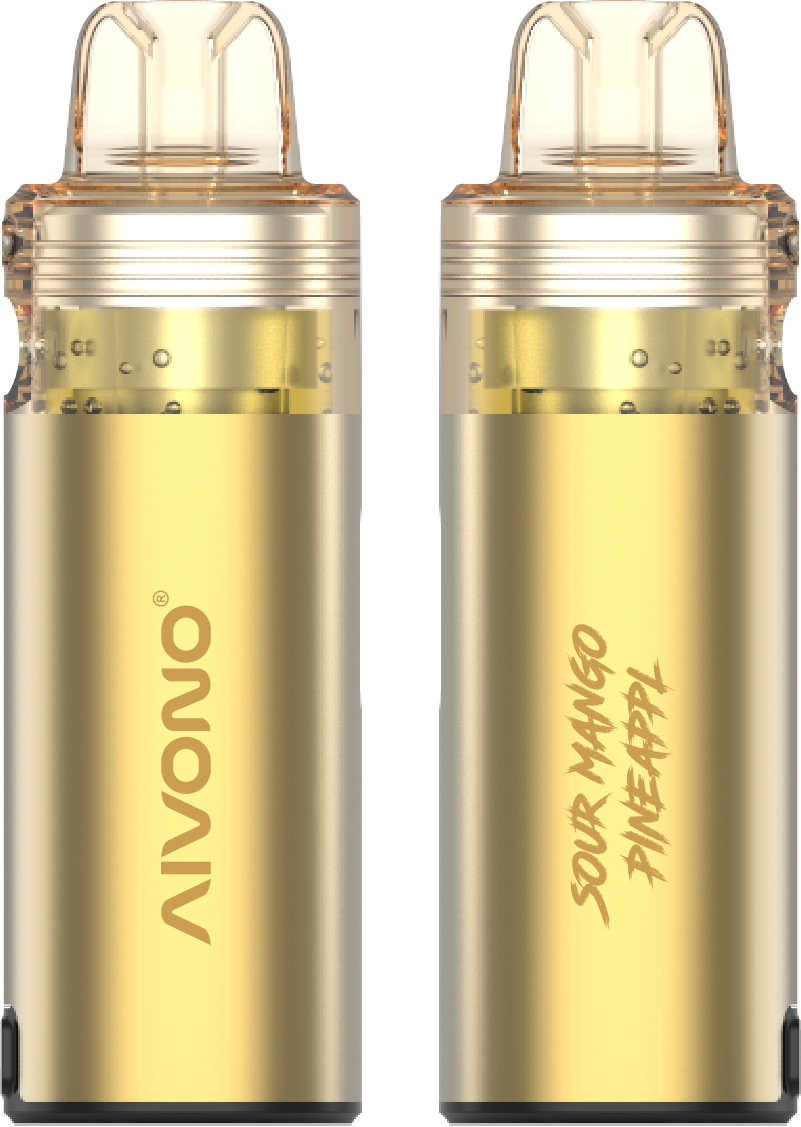
AIM AIPOD 30000 and AIM AVN 150K occupy different positions in a big puff disposable and pod-format shortlist. One emphasizes a smaller pod system configuration; the other presents a larger capacity, rechargeable flagship specification. Which sells better depends on your adult customers, legal market, retail price, staff explanation, and repeat purchase behavior. The catalog does not provide verified comparative sales results, so this guide helps wholesale buyers choose a sensible pilot rather than declaring an unsupported winner.
Use the comparison to identify what needs confirmation in a quotation and sample evaluation. Product names, advertised puff figures, and listed capacities are useful identifiers, but they do not establish identical operating conditions or suitability for every destination. The ordered market version should always be the controlling reference.
1. Compare the confirmed catalog configuration
The current AIM AIPOD 30000 specification page lists 15ml capacity, a 200mAh battery entry, a 1.0 dual mesh configuration, and a pod system format. Treat that battery figure as the listed pod configuration. Do not silently replace it with a figure from a similarly named kit or assume the package contains a separate charging body. Ask for the exact contents and charging arrangement of the quoted version.
The AIM AVN 150K specification page lists 58ml capacity, an 850mAh battery, a 0.8 mesh coil configuration multiplied across four coils, and Type-C charging. The catalog also describes display functions and multi-flavor combinations. Confirm the supplied combination, controls, and included accessories on the order sheet. A catalog feature should not become a promise about an unspecified batch.
These entries establish meaningful configuration differences. They do not establish how long every customer will use either device or whether one provides better value at an unknown retail price. Request current specification sheets for both models using the same destination and quotation date. That creates a fair comparison before your team starts discussing margins or building a retail display.
2. Define the retail role each model would serve
For AIPOD, investigate whether the adult channel values the smaller pod-oriented format and visible construction. Ask staff to explain the system and package contents without relying on the puff number. If the explanation requires a separate compatible component, make that dependency obvious on shelf materials and the invoice. A model that is easy for an experienced buyer to understand can still need careful introduction in a new store.
For AVN 150K, test whether customers understand the larger capacity, rechargeable format, and multi-flavor proposition. Review how the display and controls are described in the supplied instructions. Staff should know what the product reports and which questions need supplier support. More listed features can create a useful premium position, but they also create more information to communicate accurately.
Place both candidates within the range you already sell. If they would replace an existing line, identify the customer need they improve and the inventory they would displace. If they would add a new tier, decide how staff will distinguish it from neighboring products. The aim is a coherent adult product range, not a catalog in which every large number competes for attention.
3. Treat advertised puff counts as a qualified claim
The model names contain advertised puff figures, which buyers should communicate with their associated conditions. Ask the supplier for the basis of the claim, applicable mode, and any test information available for the quoted version. Puff duration, settings, and individual use can affect the experience. Avoid presenting a model name as a guaranteed personal duration or a direct count under all conditions.
Keep electrical and capacity specifications separate from sales conclusions. A larger stated battery does not independently prove longer service under a different operating load. A larger listed liquid capacity does not establish destination legality, quality, or customer preference. Look for a complete description of the system, then assess it in the context of the package and market where it will be offered.
During staff training, use a simple comparison sheet covering format, confirmed capacity, power arrangement, supplied flavor version, and any required components. Include a field for unresolved questions. Do not fill missing details with figures taken from a different model. This makes the buying discussion more dependable and gives the supplier a focused list to resolve before a purchase decision.
4. Compare landed cost and stock exposure consistently
Request quotations for the same destination, order stage, and delivery responsibility. Ask the supplier to separate unit pricing, packaging options, minimum quantities, variant restrictions, and shipping assumptions. Use the AIVONO wholesale inquiry framework to explain your channel and expected purchase range. A price without its scope is difficult to compare, especially where the package contents differ.
Build a landed cost worksheet that includes freight, applicable taxes and duties, clearance, local distribution, and any channel charges. Mark uncertain amounts as estimates with a named source. Compare the capital committed to each model as well as the expected margin. A higher capacity product may tie up more money in each sale, while a smaller-format product may require compatible inventory or a different reorder plan.
Review flavor allocation separately from total volume. Ask what can be mixed within an order and what must remain fixed by carton or version. Model-level demand can conceal slow variants, making a promising pilot look stronger than the stock position actually is. AISILE reports export experience across 50+ countries; local demand and the requirements of your own importer still need direct confirmation.
5. Run a pilot that can answer the buying question
Set the pilot objective before ordering. You might want to understand which format adult customers can identify more easily, how often staff need to explain package contents, or which variant earns a repeat order. Choose measures that answer those questions and agree who records them. A pilot without a decision rule can become a collection of opinions that never changes purchasing.
Record stock availability, selling price, staff training, and placement during the comparison. A model kept in a drawer cannot be compared fairly with one prominently displayed to eligible adults. If promotion or pricing changes, record the date and reason. Separate ordinary sell-through from stock transfers, discounts, and returns so the result reflects the buying situation you intend to repeat.
Keep product support records alongside commercial results. Identify the model, market version, and batch when reporting an issue, and distinguish device questions from missing instructions or misunderstood components. Discuss relevant inspection and evaluation conditions with qualified staff. The objective is to decide whether a product fits your channel reliably, not to turn a small sample into a universal market ranking.
6. Choose the next order from evidence
At the review, compare contribution after relevant costs, remaining inventory by variant, repeat requests, and support workload. Check whether the apparent winner benefited from a different price or better availability. If the pilot cannot separate those effects, state the limitation and narrow the next question. A smaller follow-up decision is often more useful than expanding inventory on a weak assumption.
AIPOD may fit a channel that understands and values its particular pod configuration. AVN 150K may fit a channel looking for the confirmed rechargeable flagship features. Both conclusions remain hypotheses until your market evidence supports them. You may also find that the models serve different adult customer groups and deserve different inventory rules rather than a single winner.
Contact AIVONO for a matched model quotation with your destination, channel, required market version, and pilot objective. Ask for the package contents, specification sheets, variant mixing rules, and commercial terms for both products. That will give your team a practical basis for choosing between AIPOD 30000 and AVN 150K without relying on unsupported sales claims.